In short
- Supports sustainable livelihoods for local residents.
- Protects 32 different mangrove species across five municipalities.
- Enforces strict rules against habitat damage and light pollution.
In this article
- Who runs the Abatan River firefly tours?
- How do the tours protect the mangrove estuary?
- How does ecotourism provide local livelihood?
- What are the primary ways to explore the river?
- Why are the eco-friendly kayaks important?
- What rules must visitors follow to protect the wildlife?
- How large is the protected river zone?
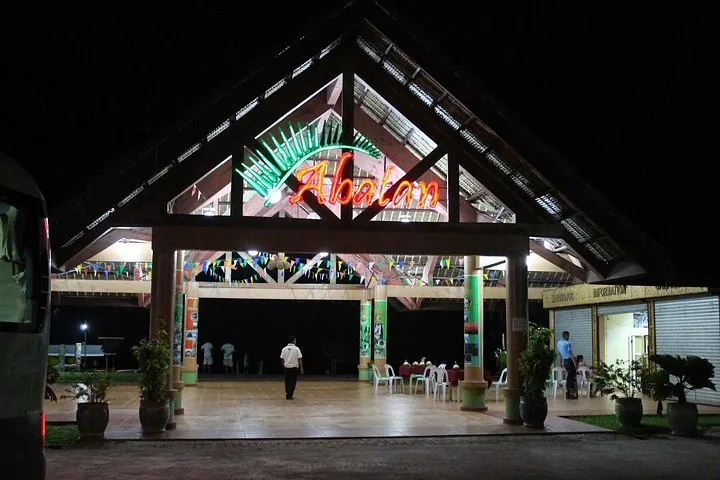
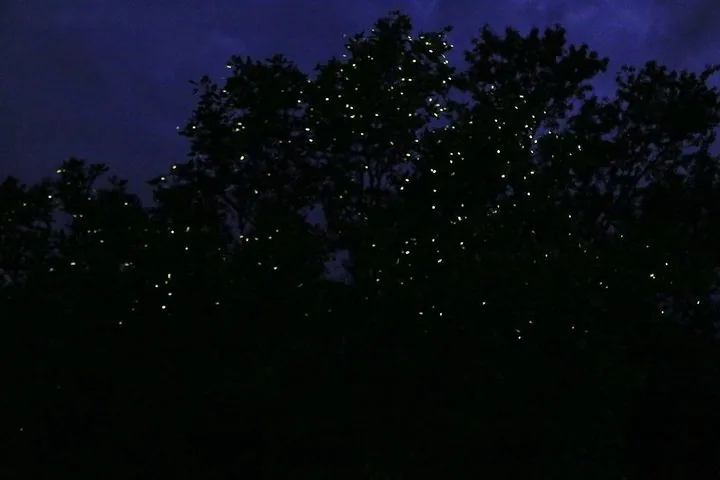
The nighttime ecotourism experience along the Abatan River goes beyond watching insects. The Abatan River Development Management Council uses tour revenues to fund conservation efforts. This ensures the river remains a safe, natural habitat for its synchronous fireflies.
Who runs the Abatan River firefly tours?
The tours are a community-run initiative managed locally.
The Abatan River Development Management Council oversees the river operations. They focus on protecting the rich mangrove ecosystem. At the same time, they provide sustainable livelihoods for local residents in Cortes and surrounding towns.
How do the tours protect the mangrove estuary?
Tour operations fund the protection of 32 different species of mangroves.
The river estuary spans roughly 1,000 acres (400 hectares). By strictly regulating visitor access through guided tours, the community prevents habitat destruction. You must not damage or pull on any mangrove branches during your trip.

How does ecotourism provide local livelihood?
Residents work as boat operators, kayak guides, and cultural performers.
Before boarding, locals perform the Palina smoke ritual for guests. Guides and boatmen then lead the tours on the water. These roles give residents a reliable income source without harming the environment.
What are the primary ways to explore the river?
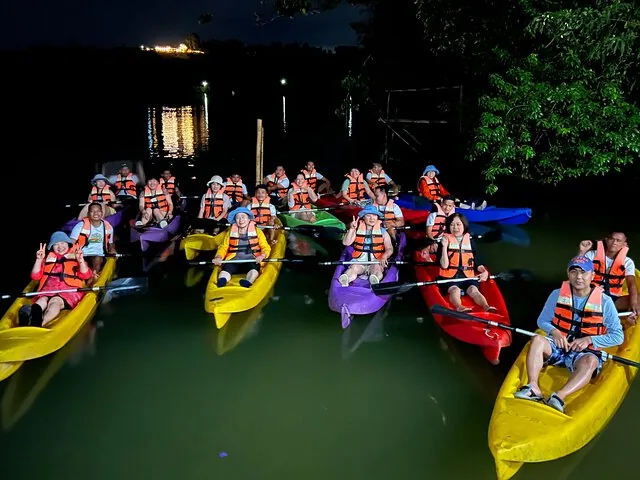
You can choose between traditional motorized bandong boats and eco-friendly kayaks.
Both options require a local guide to ensure you follow conservation rules. Kayaks are non-motorized and provide a quieter approach. Bandong boats hold larger groups and navigate the main cruising channel.
Why are the eco-friendly kayaks important?
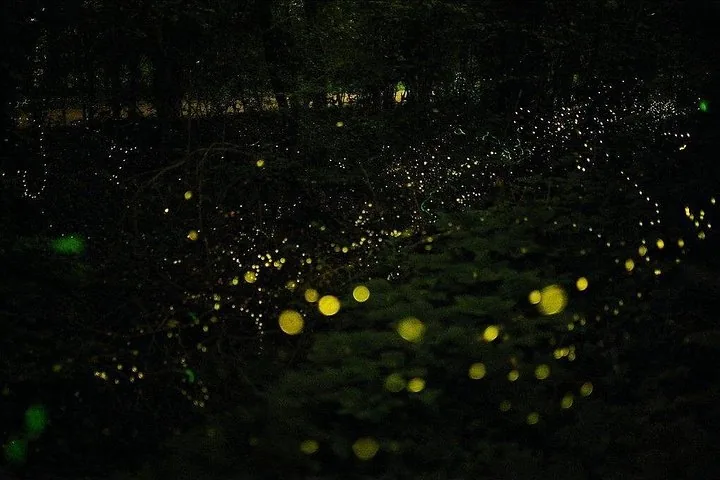
Kayaks offer a quiet, non-invasive way to view the fireflies.
Guided kayak tours travel through narrow, shallow tributaries where motorized bandong boats cannot fit. This reduces noise and water disturbance in the most sensitive mangrove tunnels.
What rules must visitors follow to protect the wildlife?
You must stay quiet, avoid touching the insects, and turn off your flash.
- Flash photography is strictly prohibited.
- Keep noise levels to a minimum to avoid disrupting the wildlife.
- Do not attempt to catch or touch the fireflies.
- Always follow the instructions of your local river guide.
How large is the protected river zone?
The protected area covers 13.5 kilometers of the Abatan River.
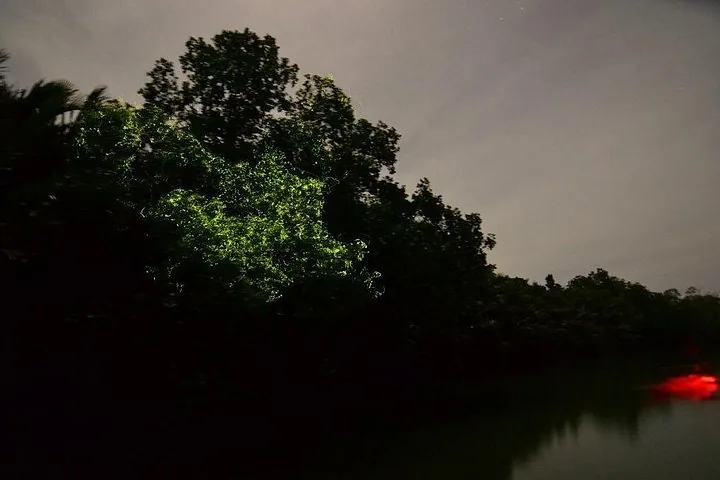
This conservation zone stretches from Barangay Salvador in Cortes up to Kawasan Falls. The river winds through five municipalities. These include Maribojoc, Cortes, Antequera, Balilihan, and Catigbian.
Questions travellers ask
Is there an entry fee to the river?
There is no entry fee to access the river itself. However, you must pay for a required guided firefly boat tour to explore the estuary at night.
Why is flash photography banned?
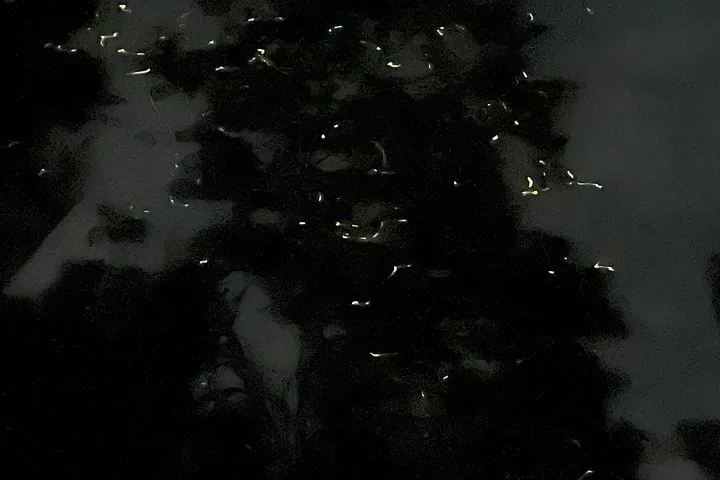
Flash photography is strictly prohibited because sudden bright lights disrupt the synchronous flashing of the fireflies.
Can we touch the mangroves?
No, you must not damage or pull on the mangrove branches. The community strictly protects these trees as they are the natural habitat for the fireflies.